AIRSHIP Consortium meets in Porto to advance Technical Work and co-develop the future Roadmap

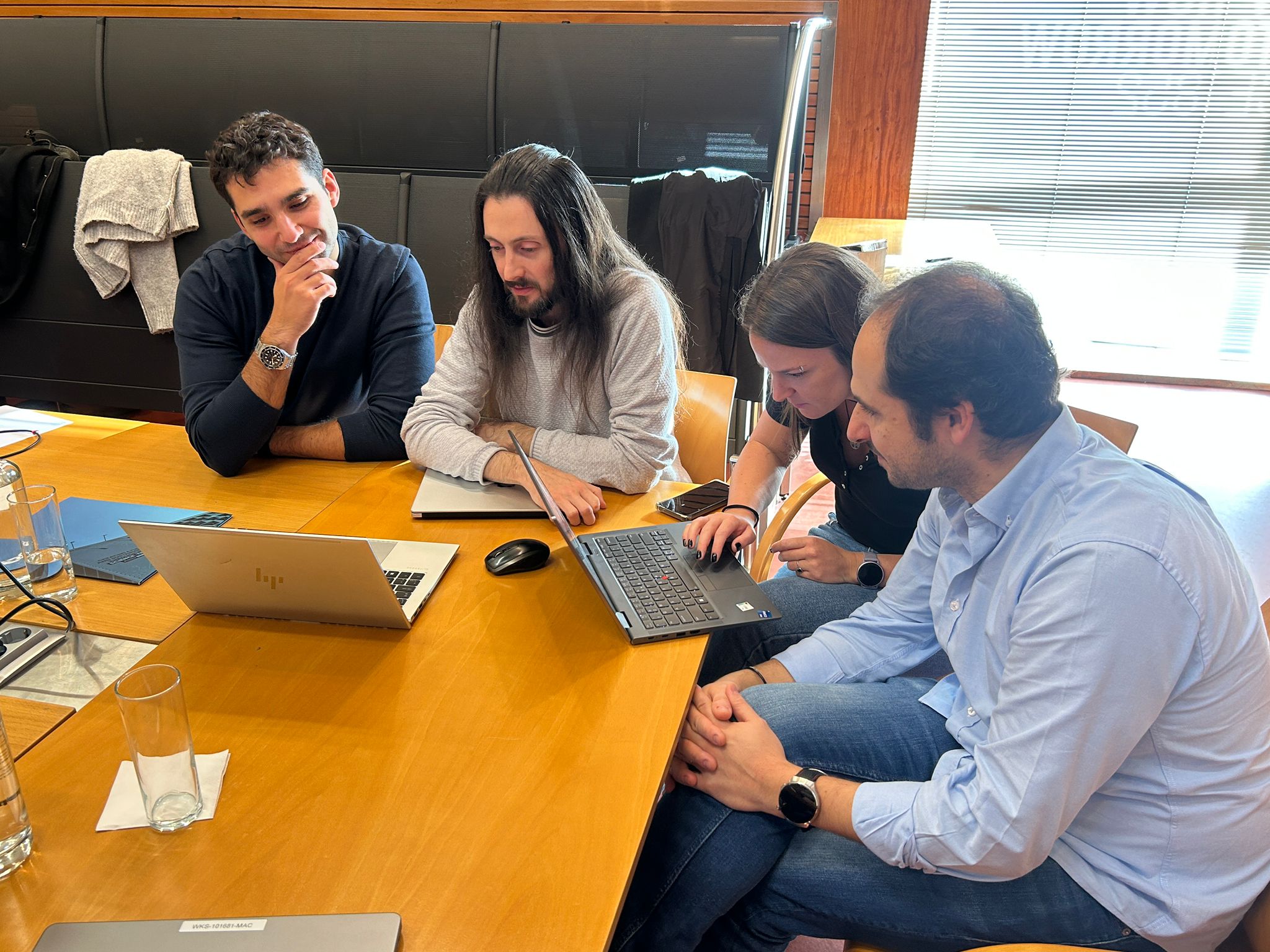
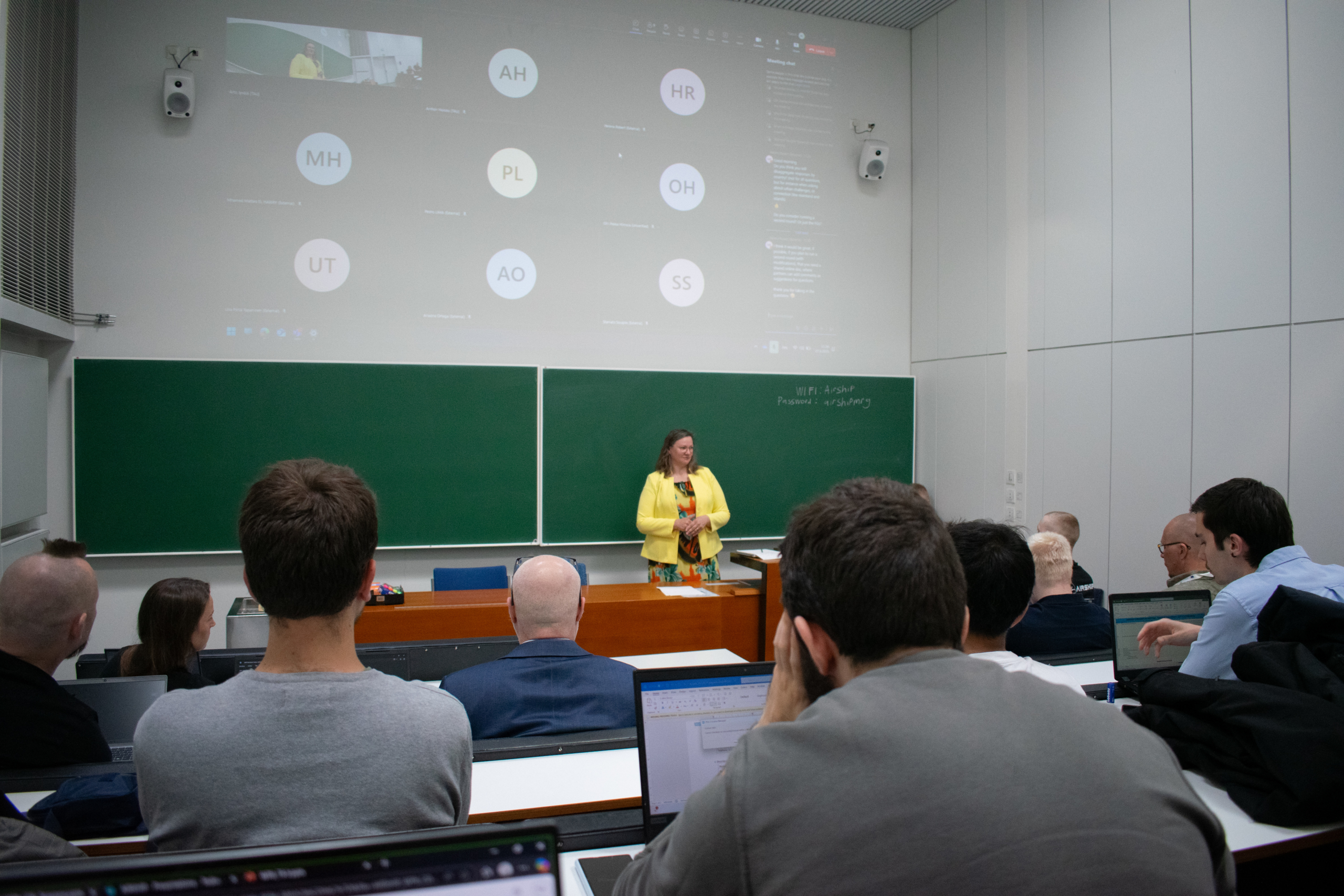
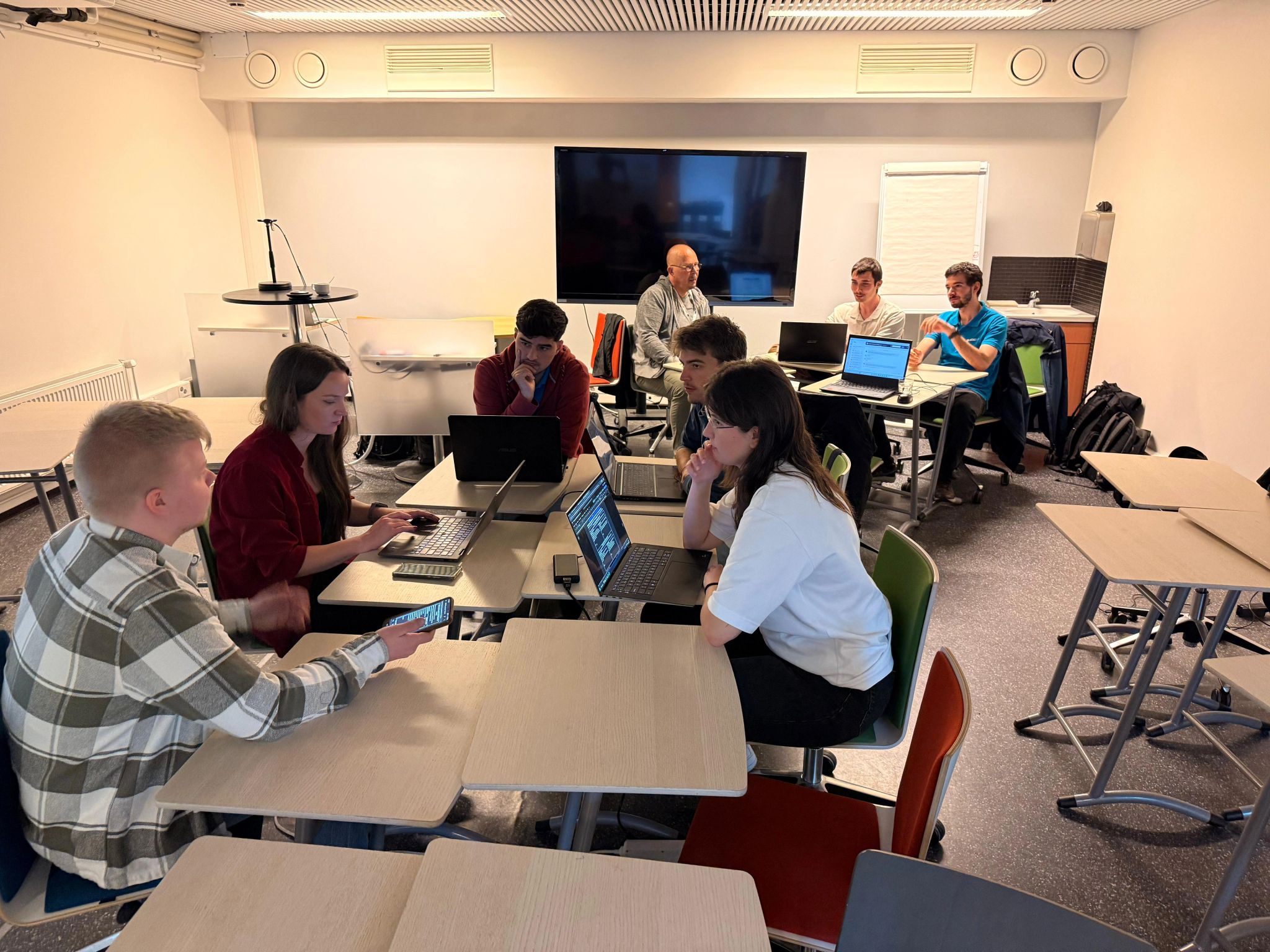
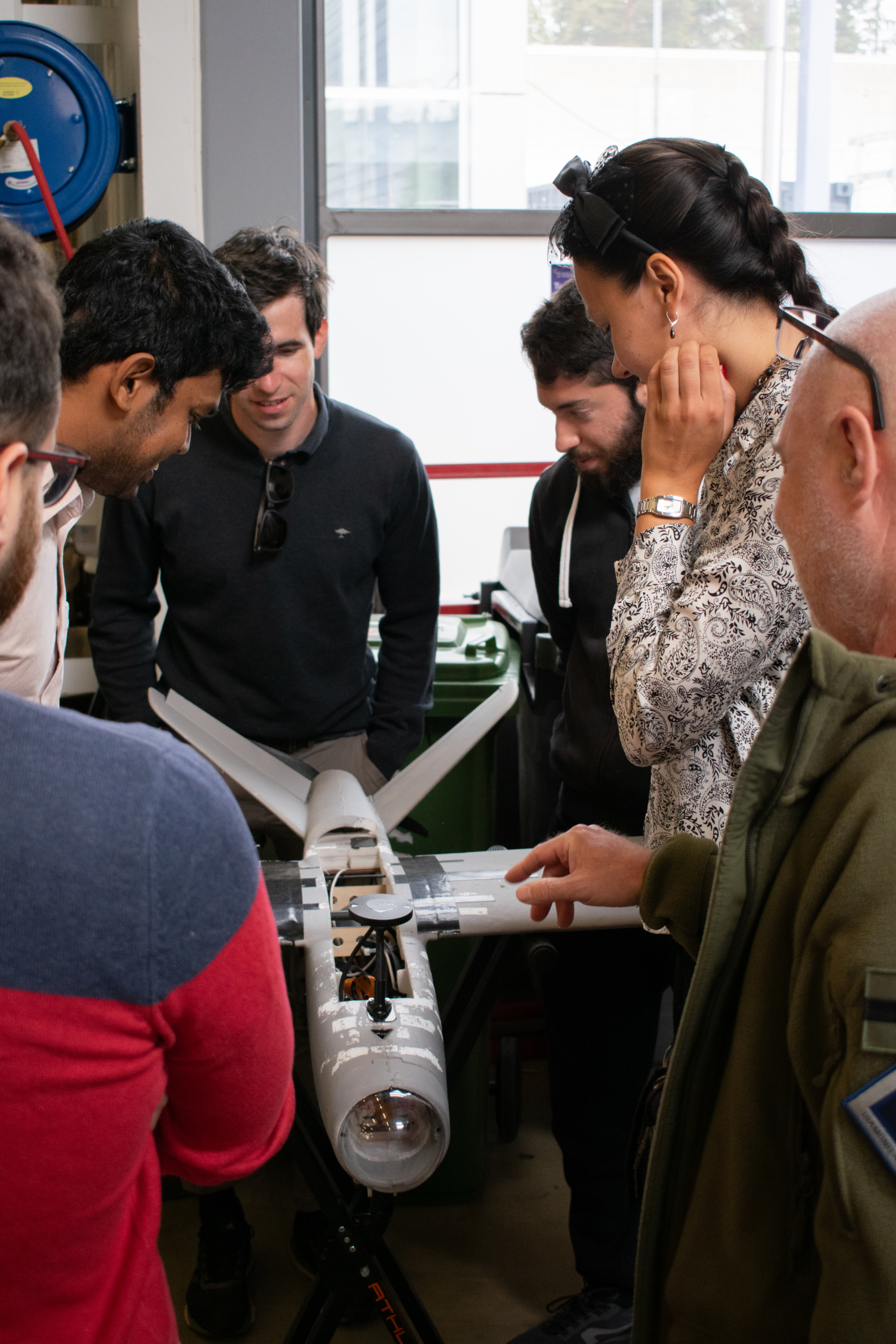
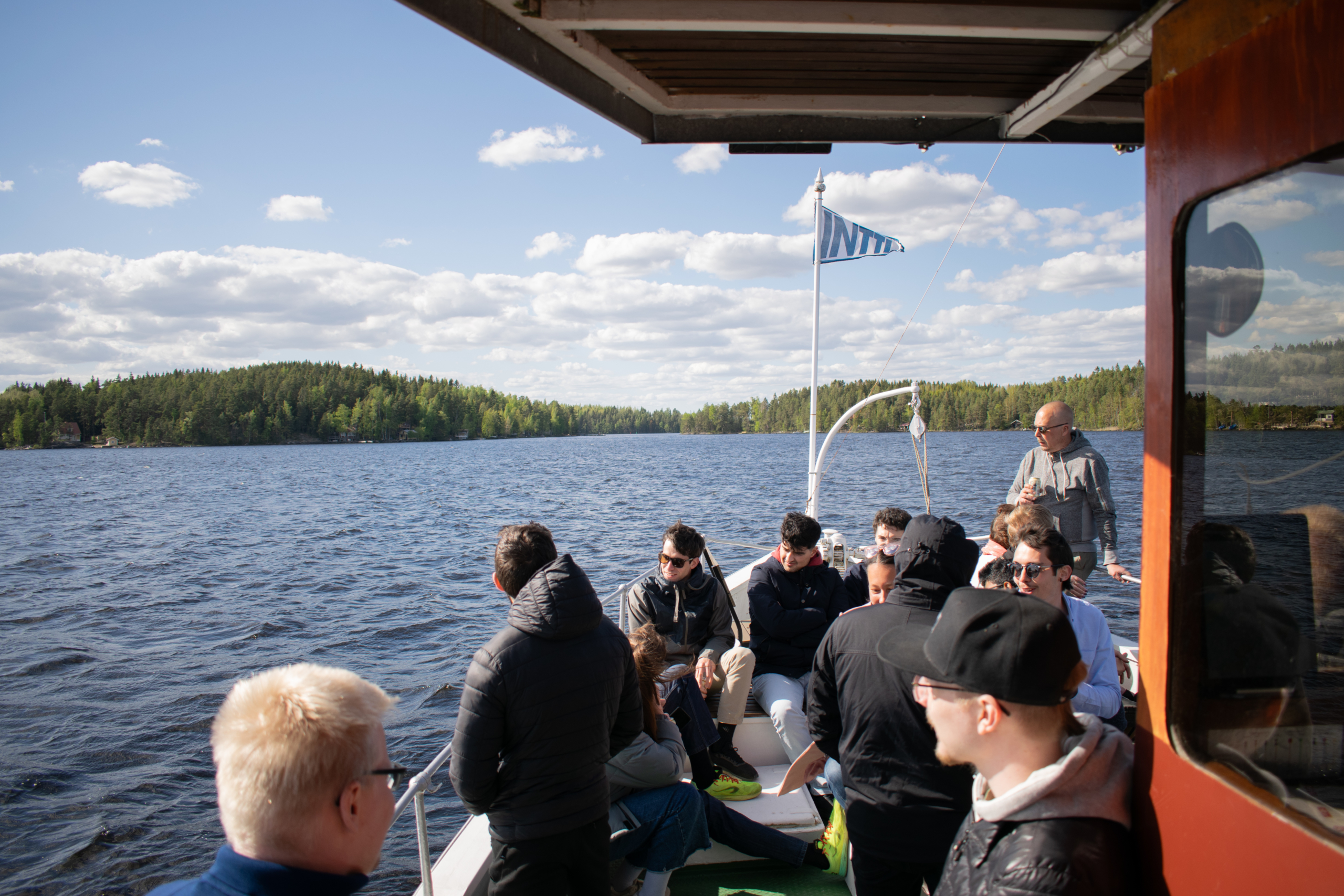
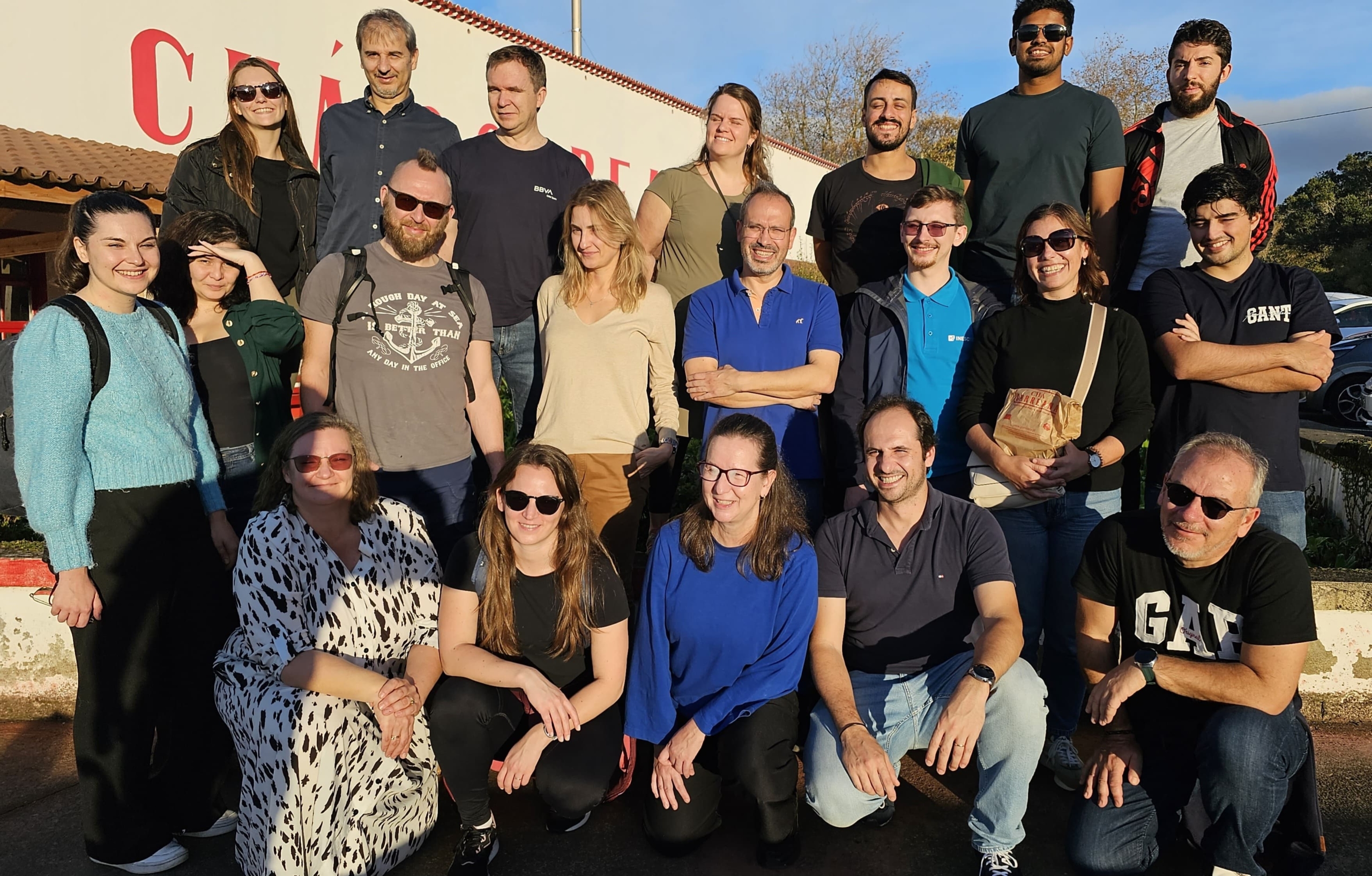
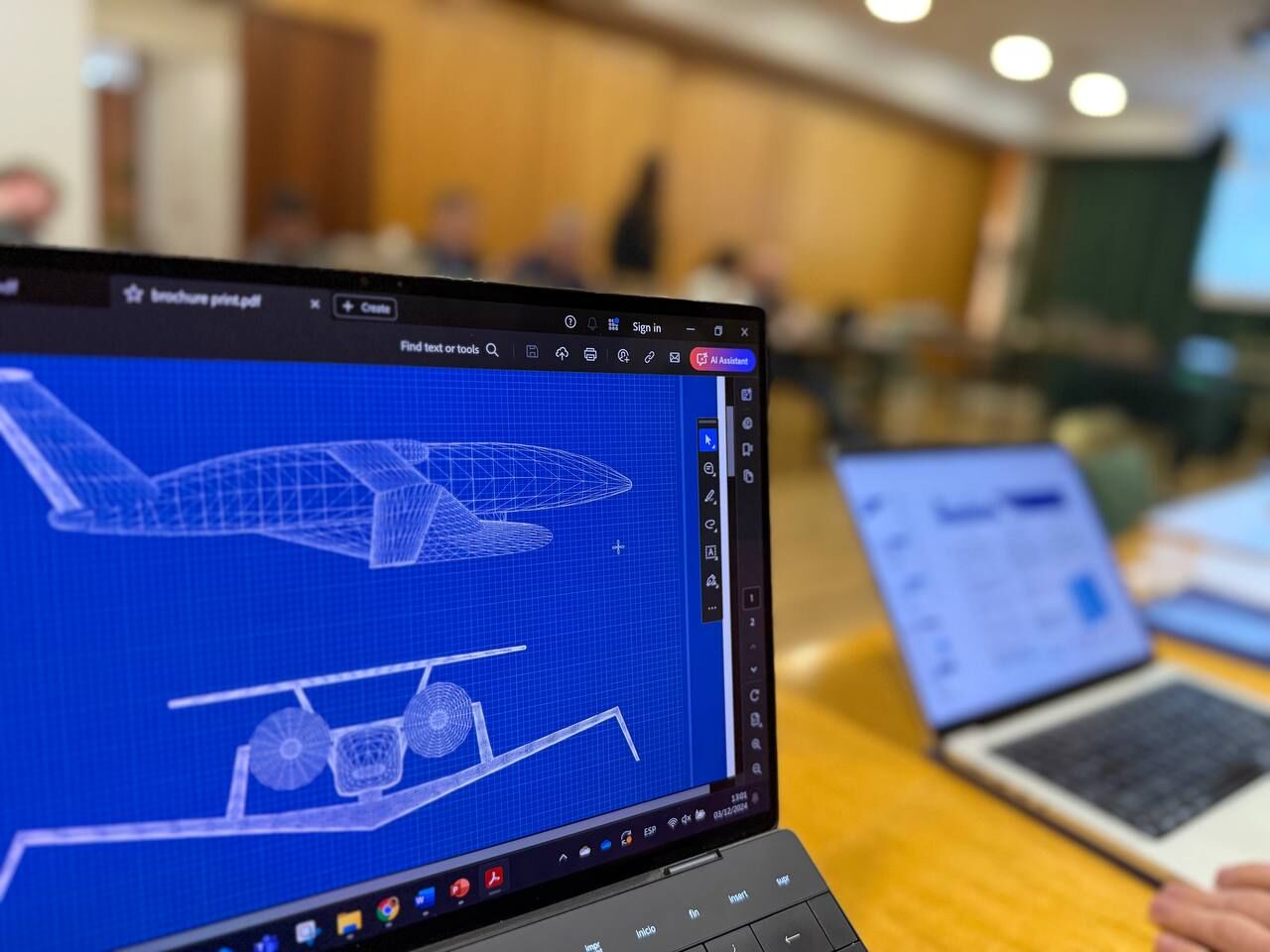
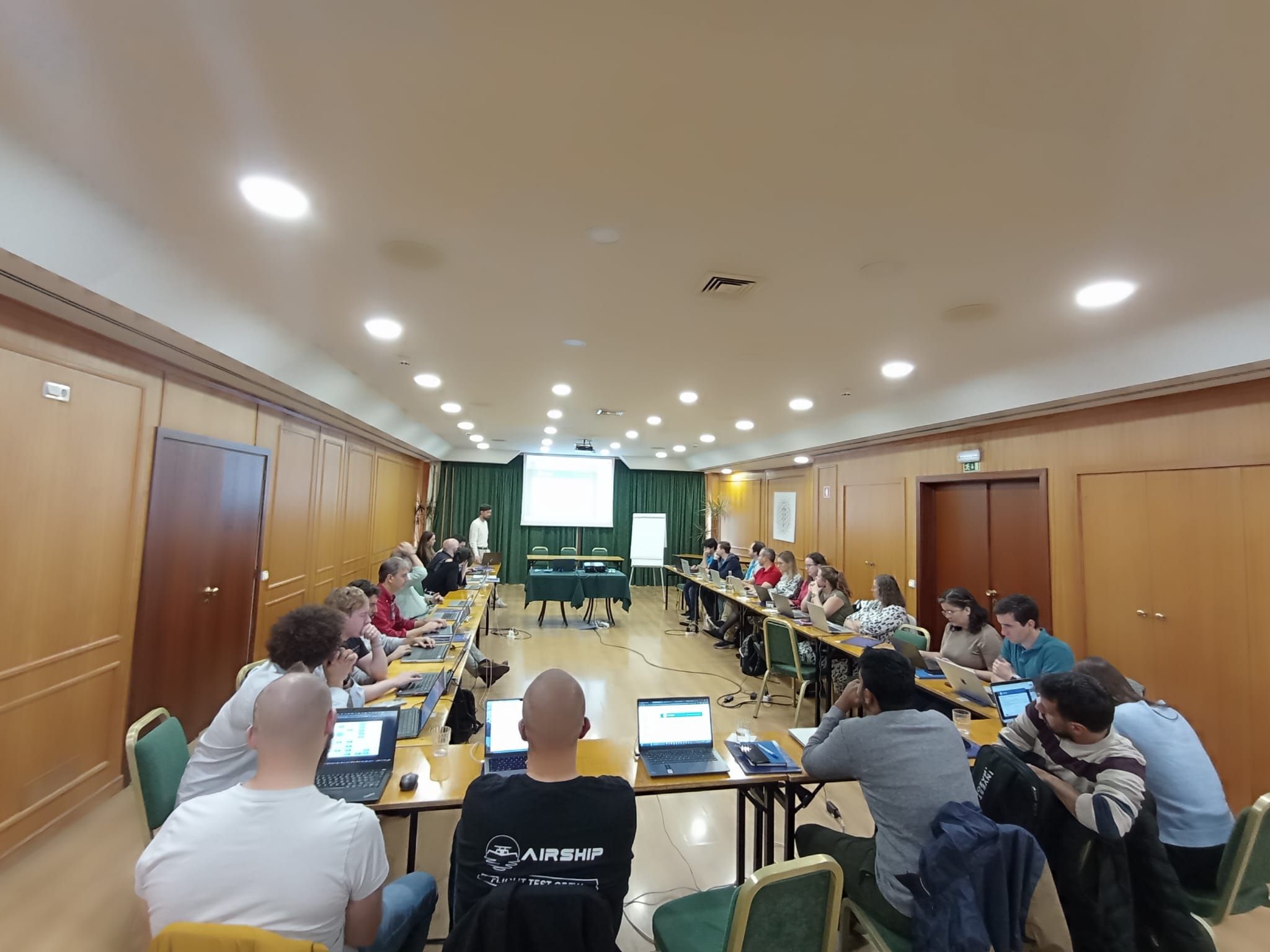
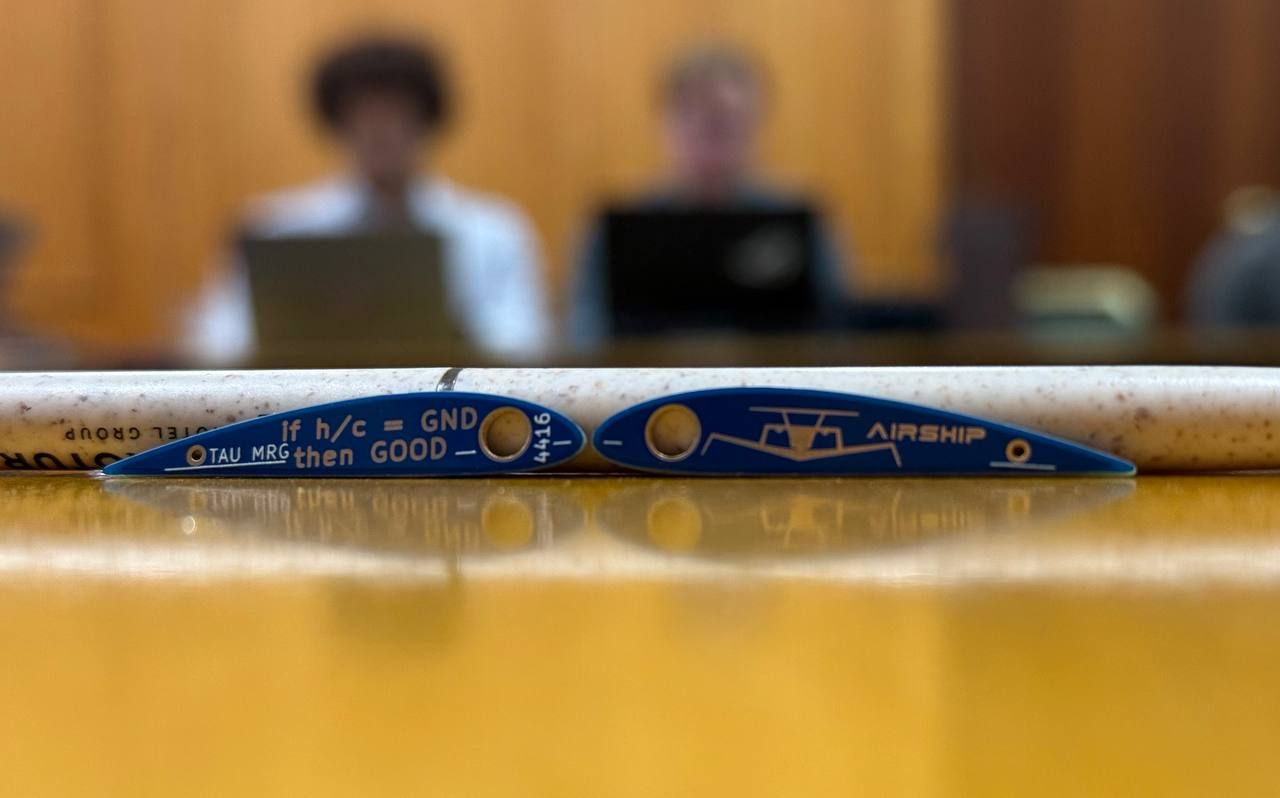
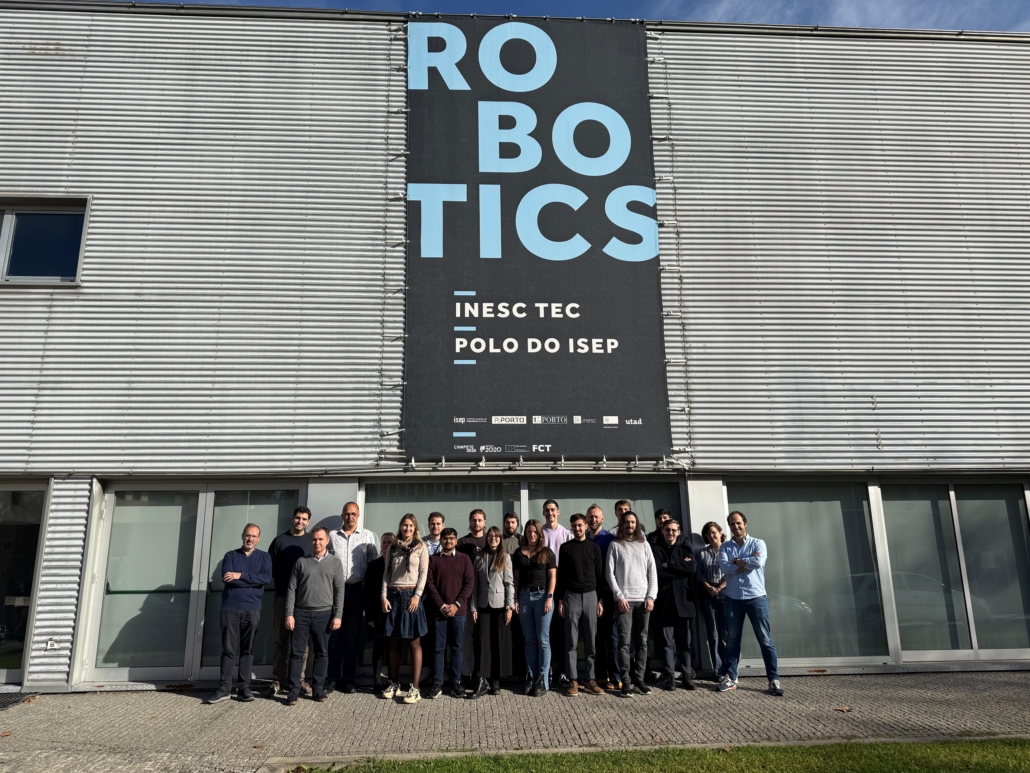
From the 25thuntil the 27thof November 2025, the AIRSHIP partners met in Porto (Portugal) for their 6th Consortium Meeting. Hosted by Portuguese partner INESC TEC, the meeting was held in the premises of the ISEP Hub (Porto School of Engineering). Over three days, partners reviewed progress across all Work Packages, exchanged on technical developments, and collaborated on the next steps of the AIRSHIP innovation pathway by actively engaging in a roadmapping workshop. The Steering Committee meeting was also held during the event in preparation for the next project review period.

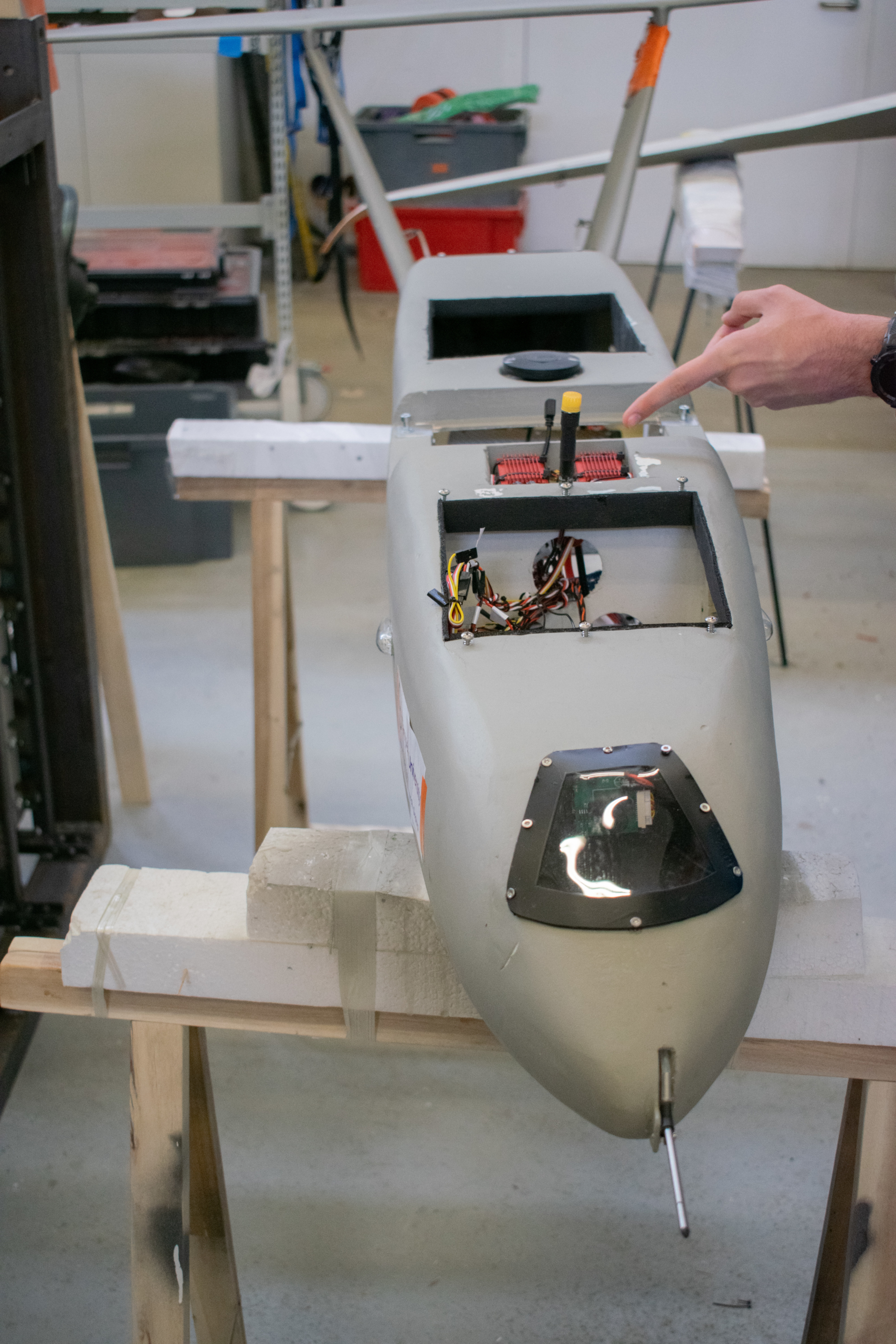
The programme included updates across Work Packages, dealing with project coordination and management, sustainability and social impact assessments, WIG design, power and control avionics, perception and mission systems, and ongoing and planned field-testing and WIG integration. These exchanges provided an important checkpoint as AIRSHIP moves into its final year of development.
Roadmapping and Innovation Agenda 

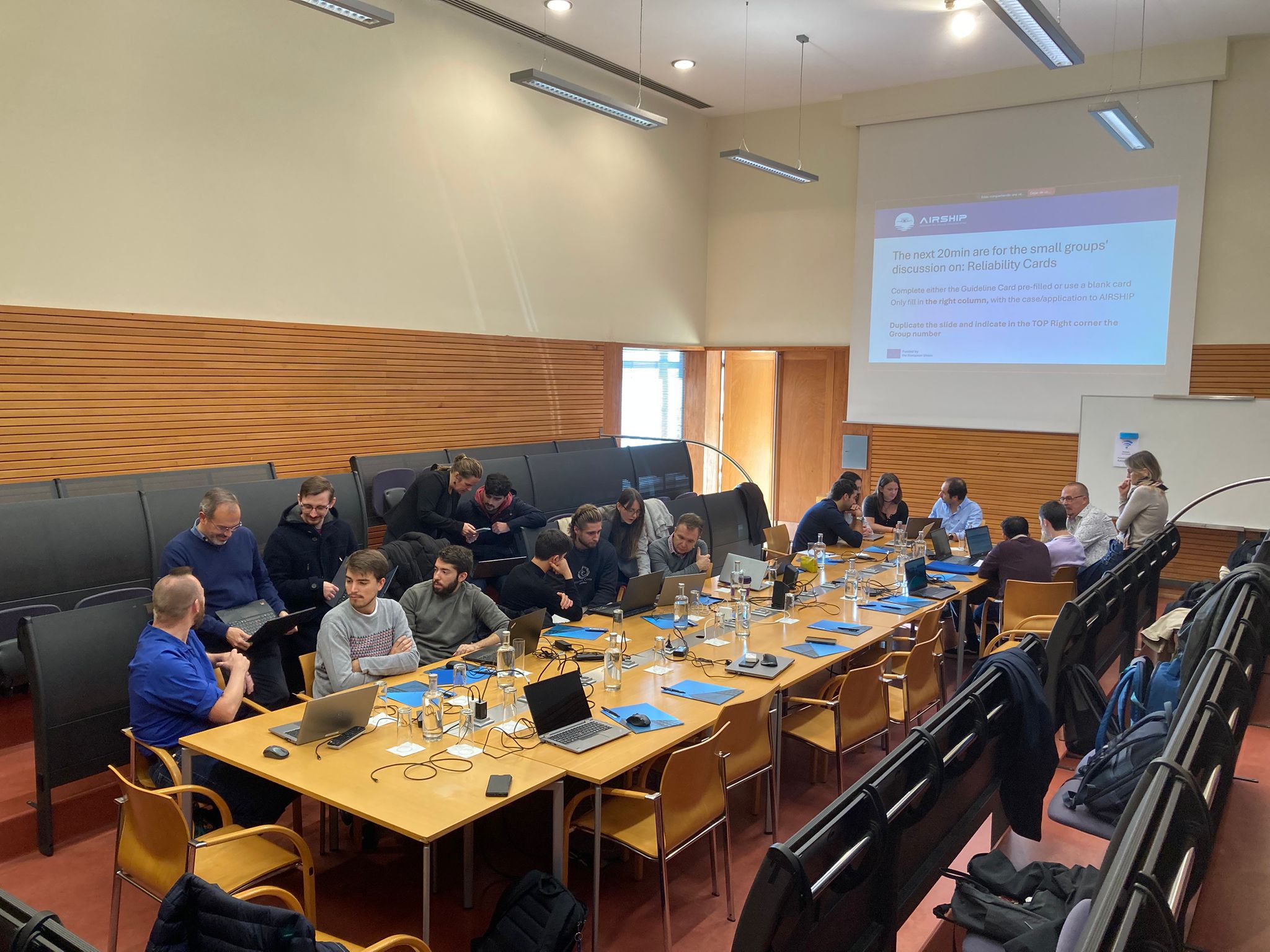
A key milestone of the 6th Consortium meeting was the WP9 2nd Roadmapping Workshop, which focused on backcasting methodology from foresight studies to further work on the pillars identified by partners in the 1st Roadmapping Workshop held in the previous CM (May 2025, Tampere, Finland). This second workshop, led by AIRSHIP partner La Palma Research Centre (LPRC), built directly on the outcomes of the online experts’ discussion hosted on the 29th of October, where external specialists worked with the guideline-cards’ approach to identify targets, bottlenecks, and pathways to address three central pillars in innovative technological research and development projects: Reliability, Regulations, and Funding

The outcomes from this external experts’ session were brought to Porto so that Consortium partners could:

  • connect expert-level insights from different EU-funded projects and professional experiences with the specific characteristics, challenges, and future goals of AIRSHIP technology,
  • refine or adapt the pre-filled guideline cards to reflect the project’s technical and operational direction, or
  • generate new, AIRSHIP-tailored guideline cards that respond to the project’s application environment and concrete needs. 

Similarly to the 1st Roadmapping workshop, partners were distributed into four groups ensuring diversity of technical expertise and partners’ representation. The discussion was structured as follows: the small groups worked on guideline cards addressing one of the three pillars at a time for around 20 minutes, the outcomes of which were presented in a plenary discussion; then, groups worked on the other two pillars based on the same method. 

Overall, the three pillars were centered around the following issues: 

  • Reliability cards explored how AIRSHIP can build trustworthy operations, from leveraging proven off-the-shelf commercial components to phased validation in simulation and sea trials.
  • Regulatory cards examined pathways for testing and operating an autonomous WIG vehicle, bridging maritime and aviation frameworks at international (IMO), EU, and national/regional levels, and highlighting early engagement with public authorities and regional stakeholders. They highlighted the gaps in current legislation across Europe and the need for updating an homogenised framework for testing, validation, and future commercialization of WIG technology.
  • Funding cards assessed the viability of future funding routes, including EU Innovation Actions, national funding schemes, climate-tech private investment, dual-use opportunities, and private-sector partnerships. 
AIRSHIP Project Holds 5th Consortium Meeting in Tampere

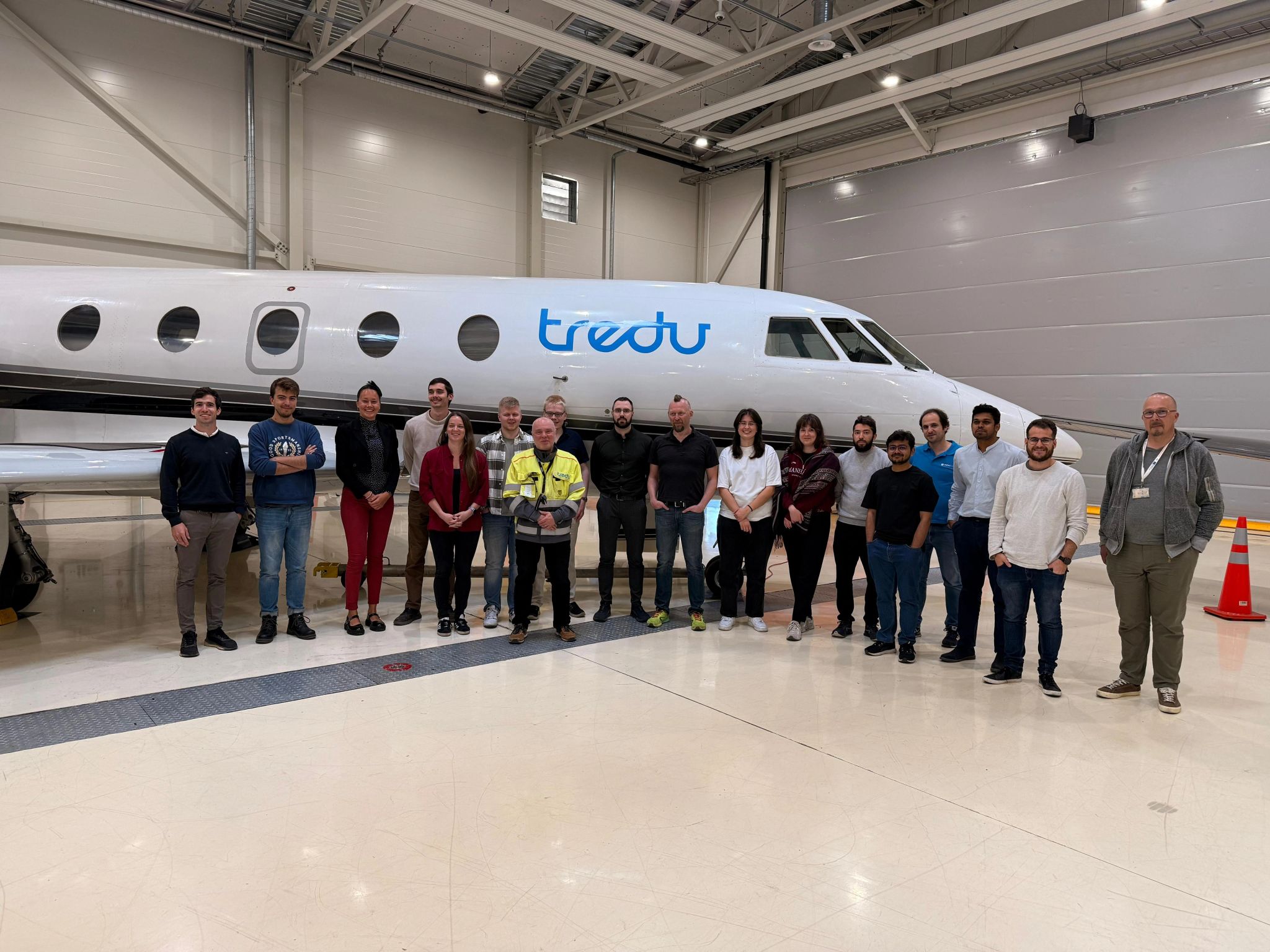
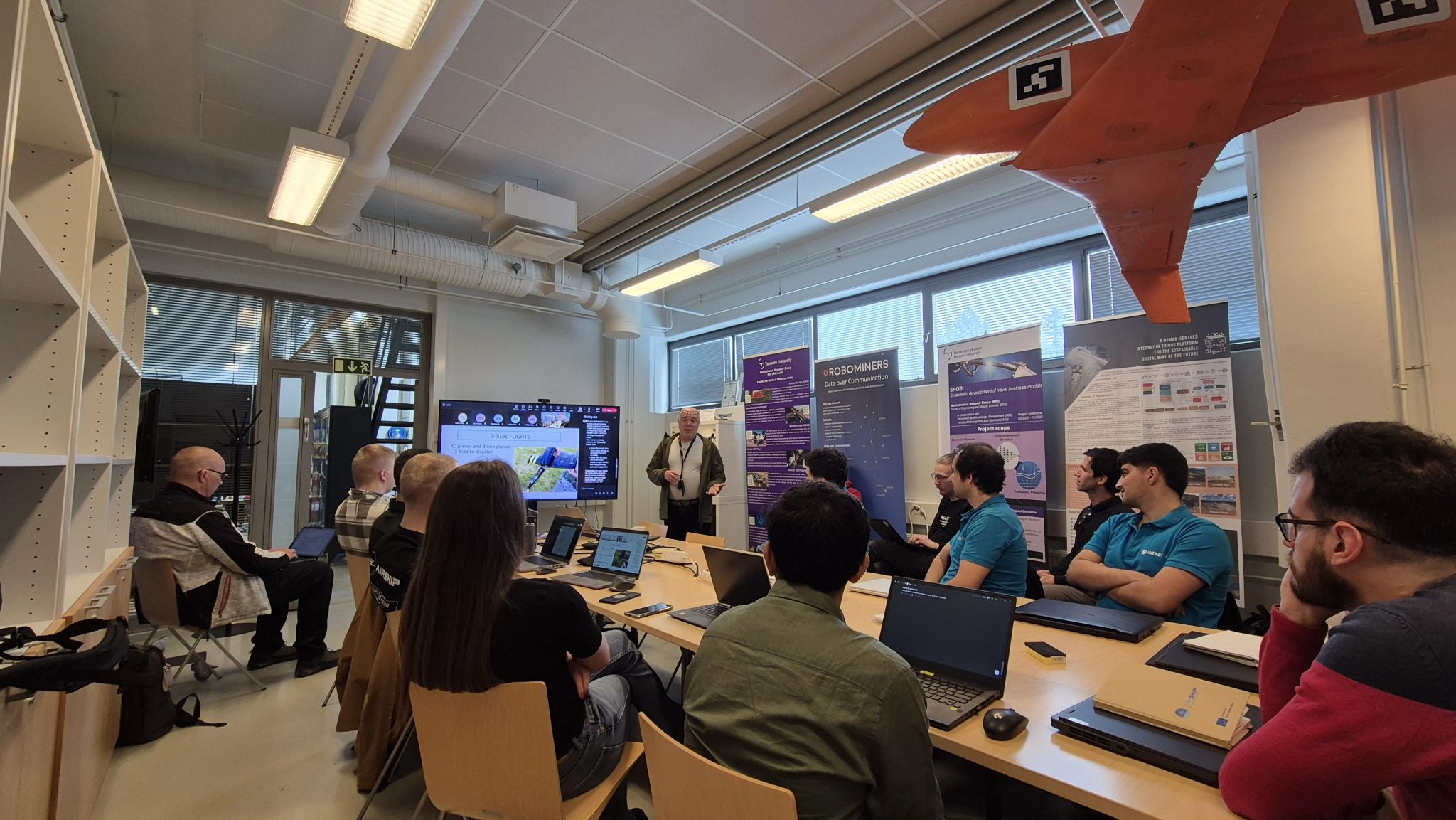
From May 27th to 29th, the AIRSHIP Project convened its 5th Consortium Meeting in Tampere, Finland, hosted by Tampere University. The event brought together all project partners for a productive three-day session focused on reviewing progress, sharing technical updates, and planning the next steps in the development of autonomous flying ships for inter-island and inland water transport.

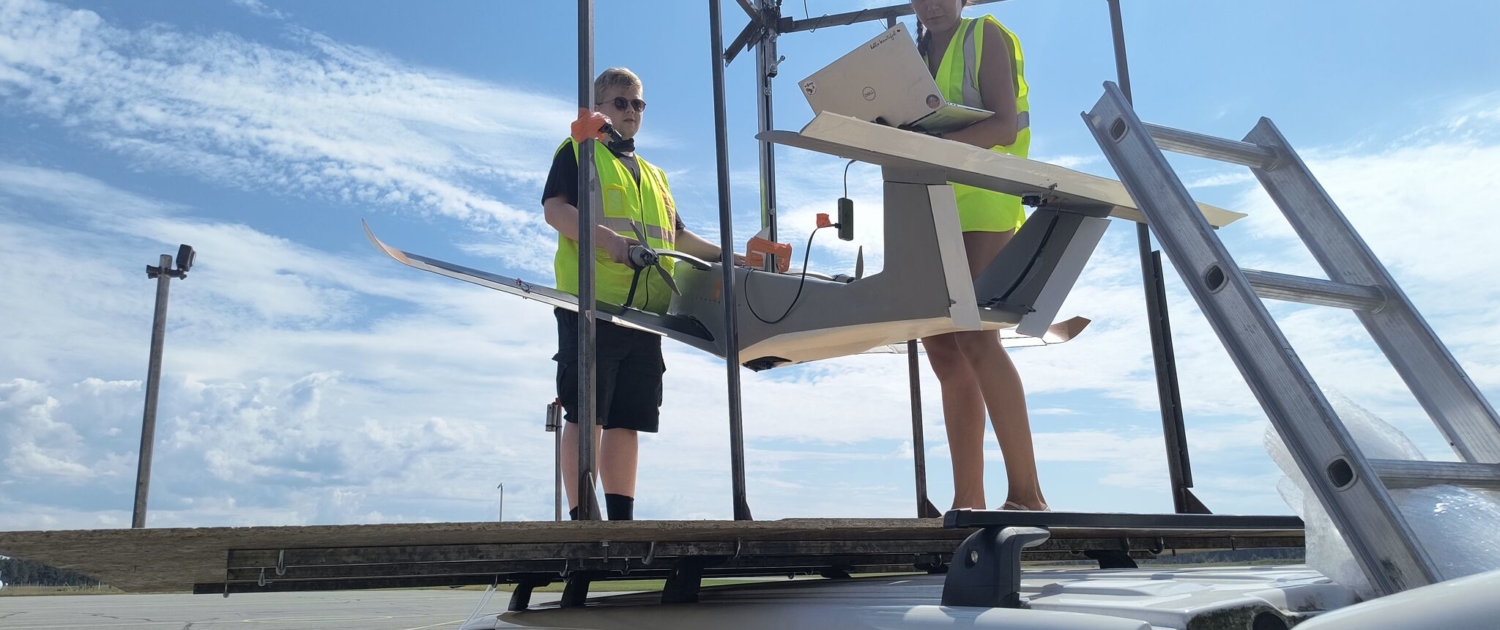
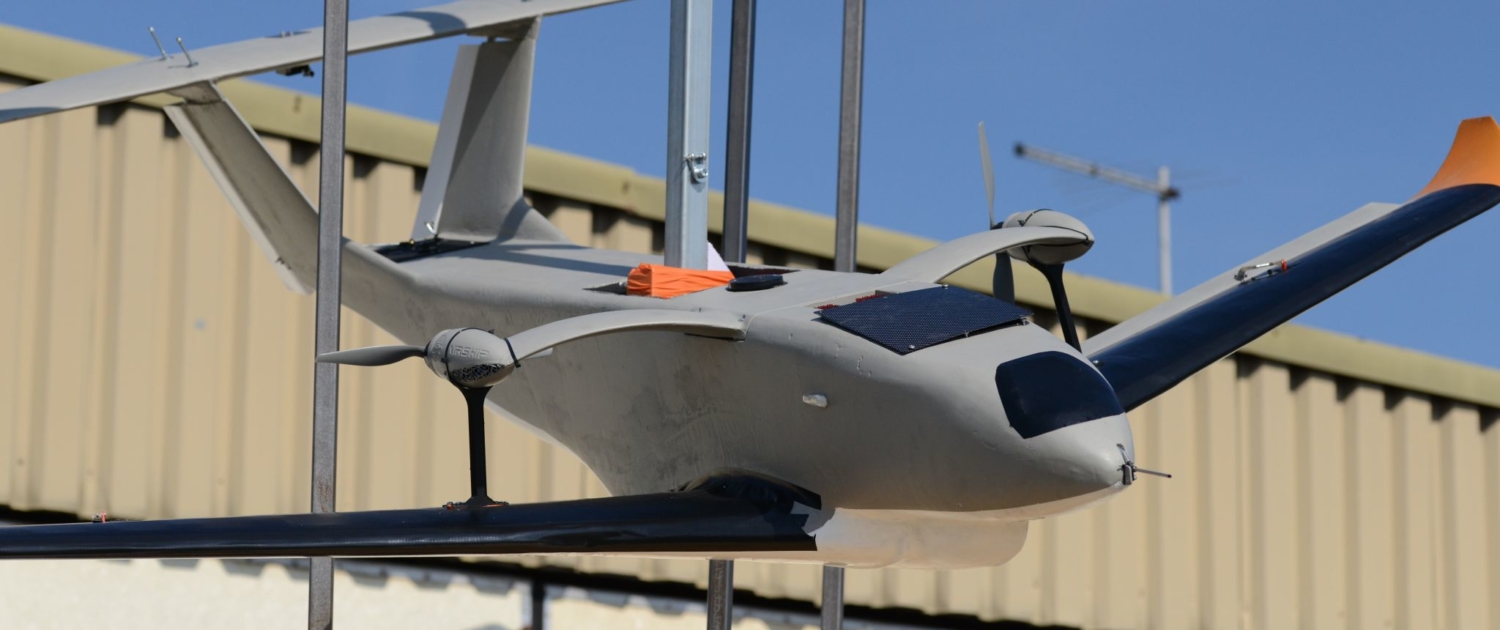
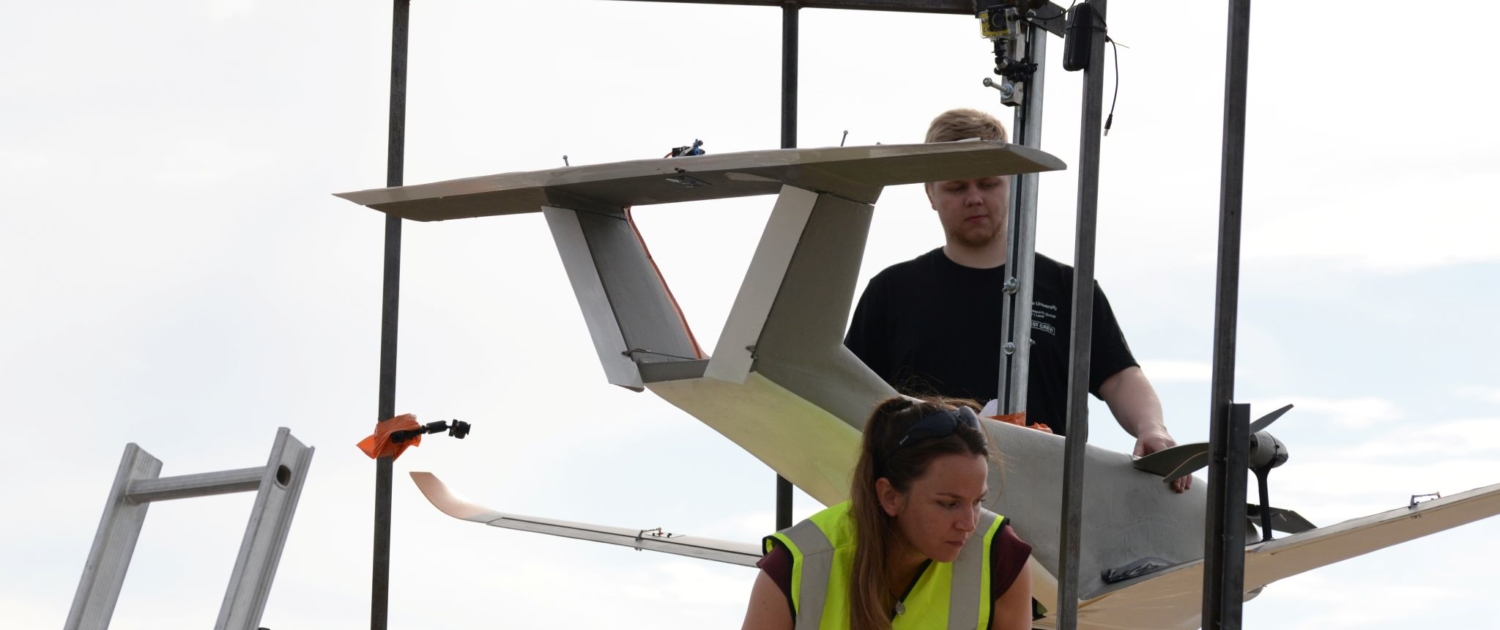
Throughout the meeting, each partner presented updates on their respective work packages, highlighting recent achievements and aligning on upcoming milestones. Discussions covered a wide range of topics, including systems integration, avionics development, and testing strategies for the AIRSHIP A-1 prototype.

A key highlight of the meeting was a strategic roadmapping workshop, which engaged participants both in person and online. The session fostered collaborative dialogue around the project’s long-term vision, helping to refine the path toward successful implementation and exploitation of AIRSHIP technologies.

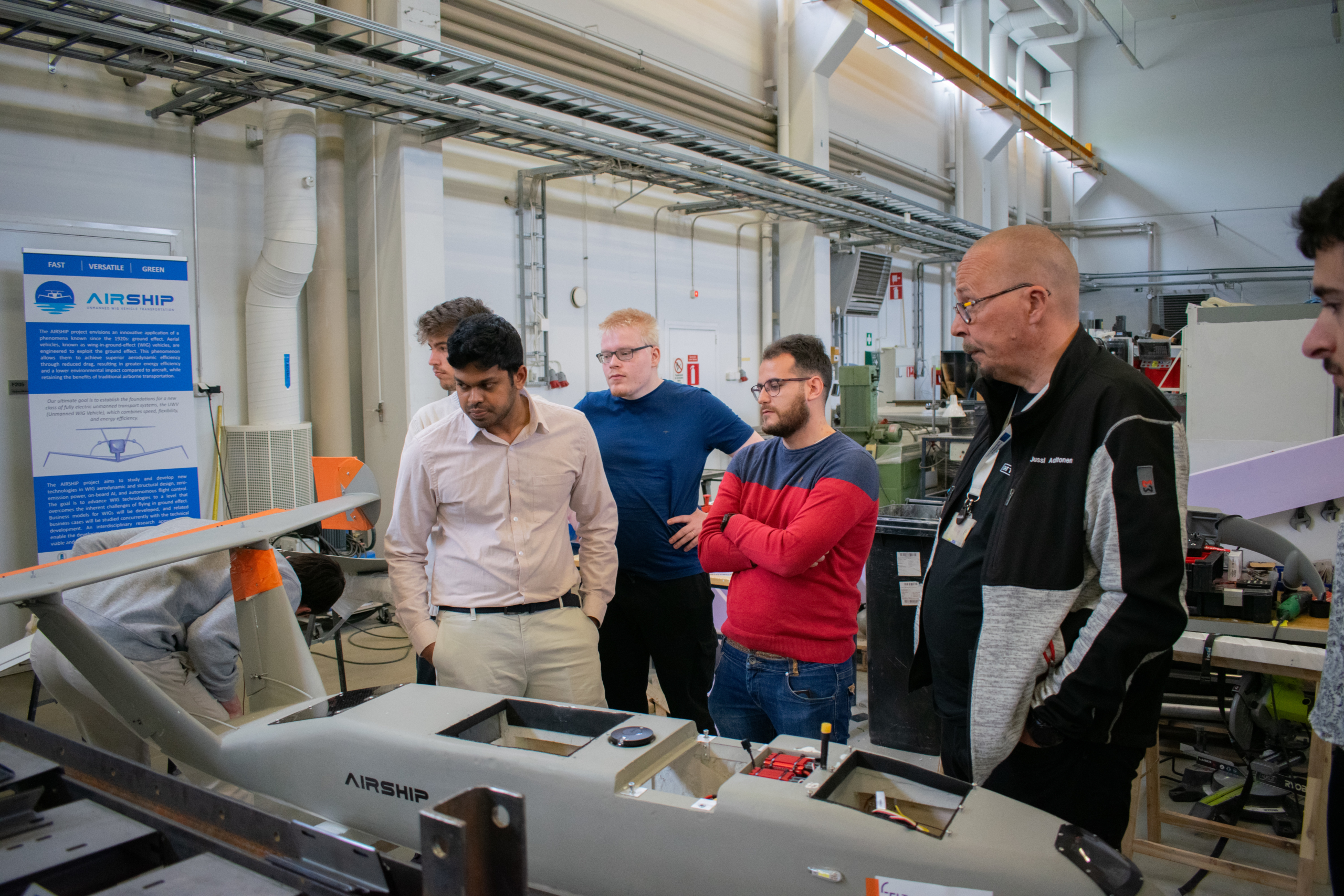
In addition to the technical sessions, the consortium had the opportunity to visit the mechatronics facilities at Tredu and Tampere University. These visits offered valuable insights into local innovation ecosystems and showcased advanced capabilities in automation, robotics, and engineering education.

The Tampere meeting marked another important milestone in the AIRSHIP Project’s journey, reinforcing the consortium’s shared commitment to advancing sustainable, zero-emission mobility through cutting-edge research and cross-sector collaboration.

AIRSHIP Project 4th Consortium Meeting – Azores

The AIRSHIP Project recently reached a major milestone with its midpoint consortium meeting, hosted by Trisolaris in Ponta Delgada, Azores. This key event brought together all project partners to align on the strategic direction and technical progress of the initiative, which aims to develop zero-emission autonomous flying ships.

The meeting focused on several core objectives critical to the success of the AIRSHIP A-1 prototype:

  • Advancing systems integration to ensure seamless operation across all subsystems
  • Finalizing field test plans to prepare for real-world demonstrations
  • Leveraging cutting-edge AI and autonomous flight control technologies to enhance performance and safety

Technical partners took the spotlight to present their latest work and future plans across several domains, including:

  • Perception Avionics – enabling the aircraft to interpret and respond to its environment
  • Control Avionics – ensuring precise and reliable maneuverability
  • Mission Avionics – managing operational tasks and mission execution
  • Integration and Demonstration – combining all components into a unified, functional system ready for testing

In addition to the technical sessions, the consortium participated in Innovation Inventory and Exploitation Workshops. These workshops were designed to identify the most promising innovations developed so far and to strategize their future exploitation. Discussions centered on market opportunities, stakeholder engagement, and commercialization pathways, laying the groundwork for impactful deployment in the transport sector.

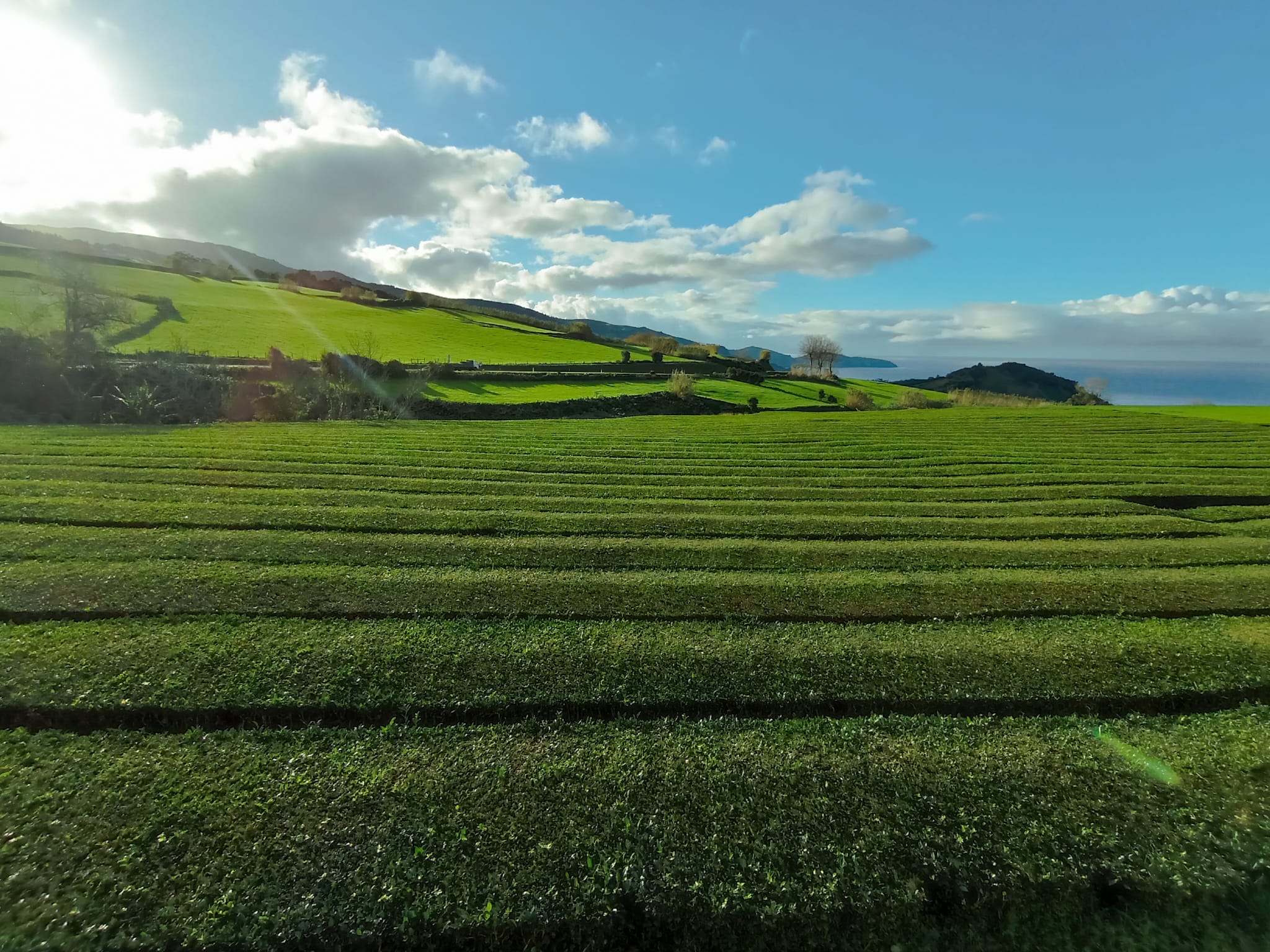
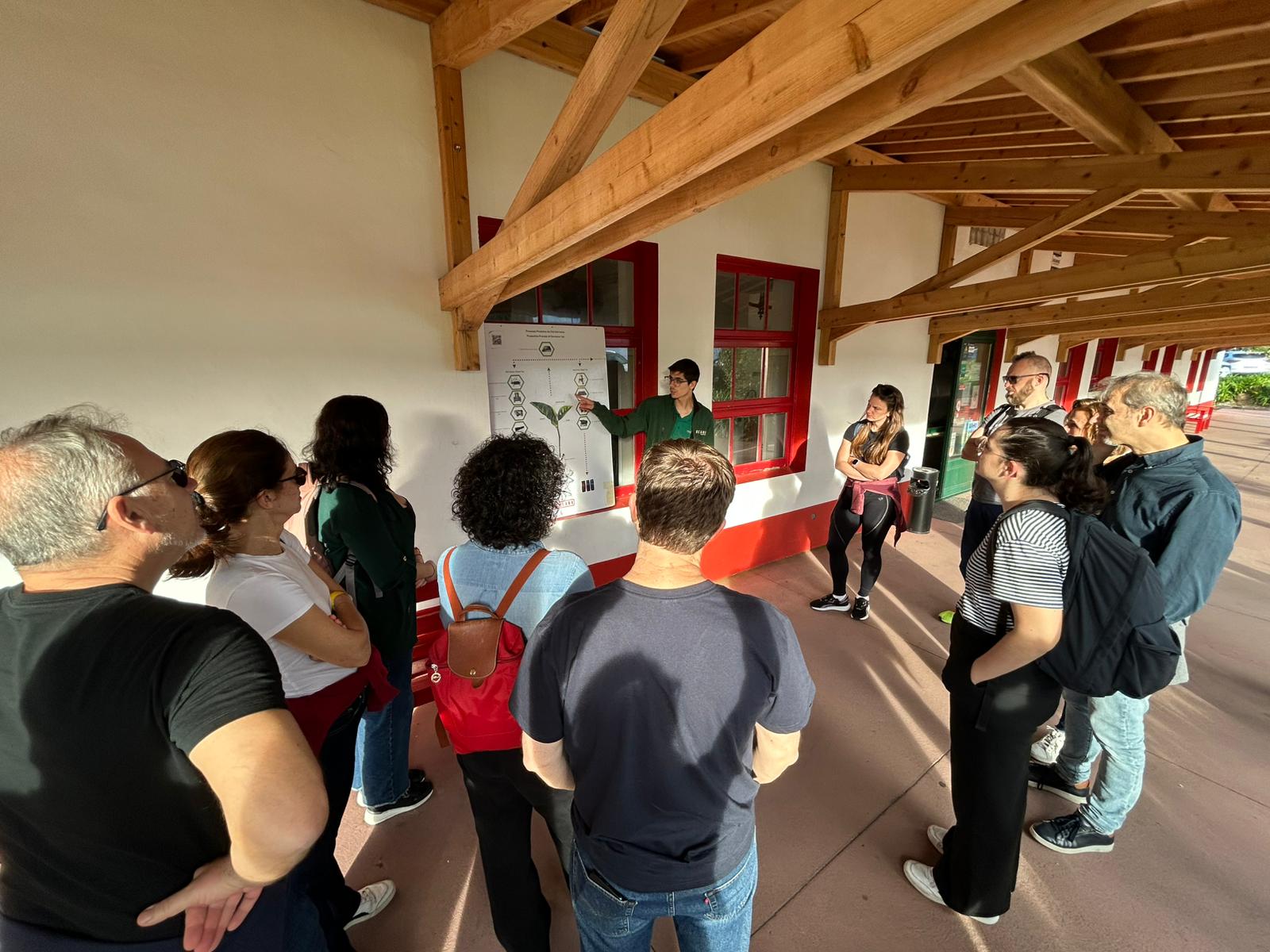
The Azores provided a unique and inspiring setting for the meeting. Partners had the opportunity to experience the region’s natural beauty and cultural heritage, fostering a collaborative and forward-thinking atmosphere that reflects the project’s commitment to sustainable innovation.

With strong momentum and a clear roadmap, the AIRSHIP Project is well-positioned to deliver transformative solutions for autonomous, zero-emission mobility.

Second airship clustering WORKSHOP: PIONEERING SUSTAINABILITY AND GREEN TECHNOLOGIES

On November 27, 2024, the AIRSHIP project successfully hosted its second Clustering Workshop, focusing on sustainability and green technologies. This online event brought together leading experts and academics to discuss and share advancements in this crucial field.

The workshop began with Jussi Aaltonen from Tampere University, who presented the AIRSHIP project. His presentation highlighted innovative approaches to integrating sustainable technologies, setting the tone for the event. Following this, Anastasiya Azarko from CiaoTech delivered an engaging presentation on the AUTOSHIP and SEAMLESS projects. These projects are at the forefront of autonomous shipping advancements, showcasing how technology can drive sustainability in maritime transport. George Sarigiannis from Inlecom captivated the audience with his insights on the ReNew project, which aims to revolutionize waste management through cutting-edge technologies. His presentation underscored the importance of innovative solutions in addressing environmental challenges. Gerardo Zampino from KTH concluded the presentations by discussing the refmap project and the Aviation Twin Transition Cluster. His talk focused on how these initiatives are shaping future aviation strategies towards greater sustainability.

If your initiative would like to be part of the upcoming clustering events, contact us at info@airshipproject.eu.

AIRSHIP mid-project Review Meeting in Brussels

The AIRSHIP project was present for the interim review meeting of the European Commission, held in Brussels.

III Consortium meeting in Tallinn

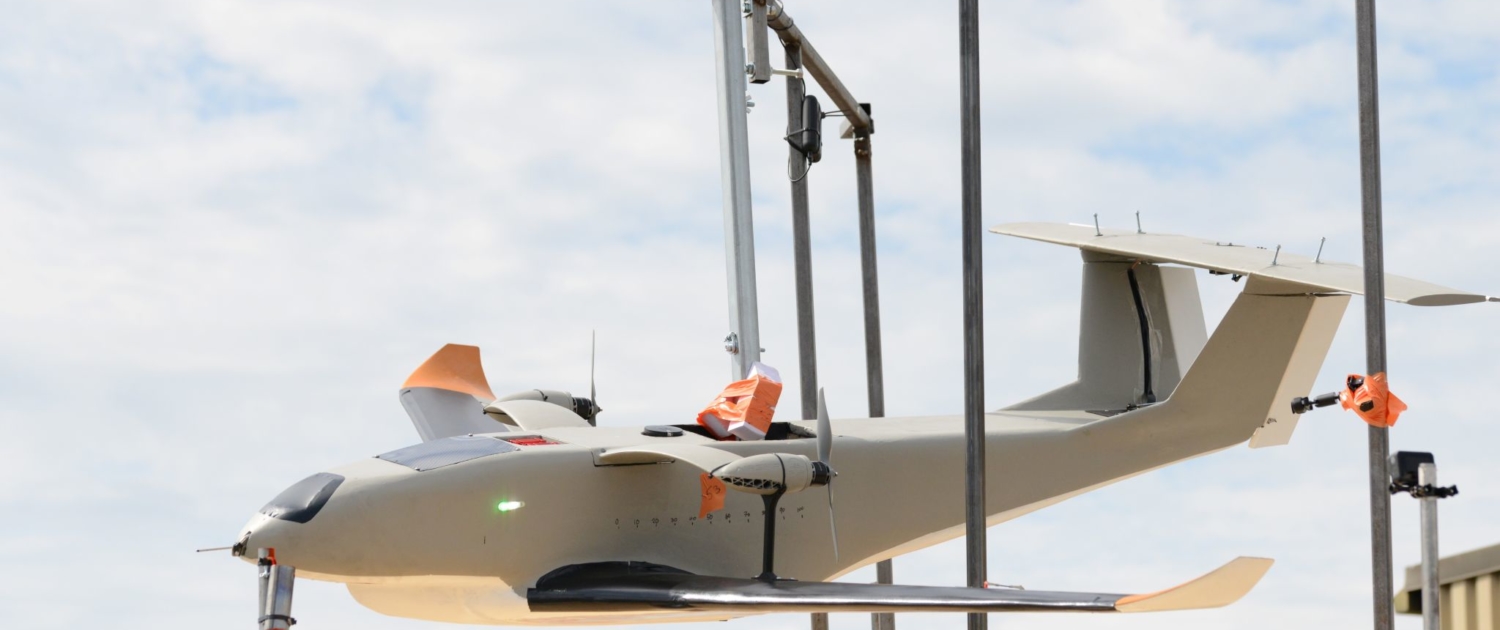
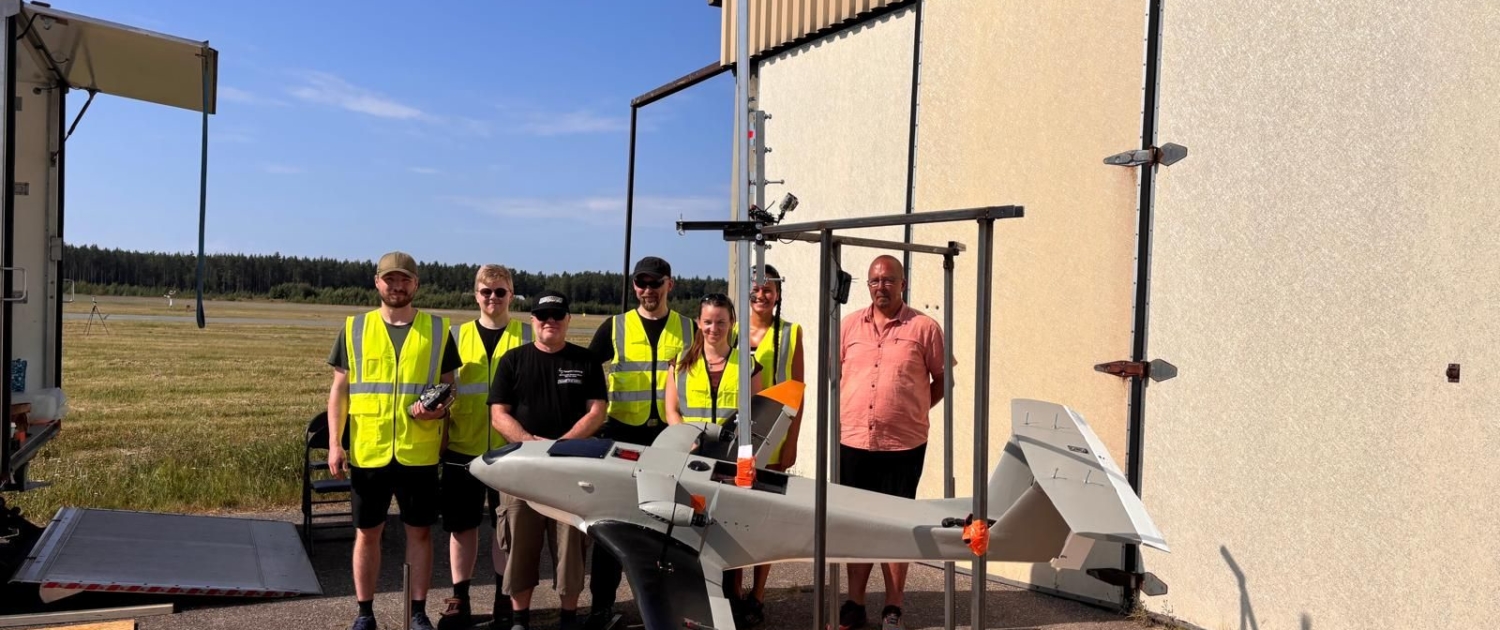
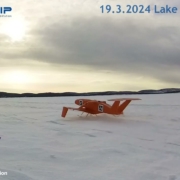
Tests flights with the A0-S prototype

AIRSHIP kick-off meeting held in Brussels